Overview of Granny Game
Core Concept
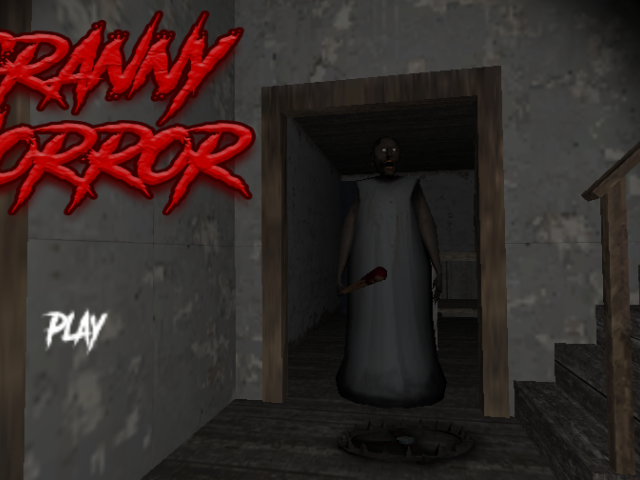
Granny is a first person survival horror game that focuses on escape mechanics inside a locked house environment. The main objective is to find a way out within a limited number of days while avoiding constant danger. The experience is built around stealth, exploration, and puzzle solving. Each attempt creates tension because every sound and movement can lead to failure.
The story premise is simple but effective. The player wakes up inside a strange house and must escape before time runs out. The main antagonist patrols the area and reacts to noise, which forces careful planning and slow movement.
Atmosphere
The atmosphere in Granny is designed to create fear through sou...
Overview of Granny Game
Core Concept
Granny is a first person survival horror game that focuses on escape mechanics inside a locked house environment. The main objective is to find a way out within a limited number of days while avoiding constant danger. The experience is built around stealth, exploration, and puzzle solving. Each attempt creates tension because every sound and movement can lead to failure.
The story premise is simple but effective. The player wakes up inside a strange house and must escape before time runs out. The main antagonist patrols the area and reacts to noise, which forces careful planning and slow movement.
Atmosphere
The atmosphere in Granny is designed to create fear through sound design and visual tension. The house is dark, quiet, and filled with unexpected triggers. Small details such as creaking floors, closed doors, and sudden noises increase pressure on the player.
Lighting is limited, which makes navigation more difficult. The player must rely on memory and observation to move safely through rooms. This design choice increases immersion and keeps tension high throughout the experience.
Gameplay Mechanics
Stealth System
Stealth is the core mechanic in Granny. Movement must be slow and controlled to avoid detection. Running or dropping objects creates noise that can alert the enemy character.
Hiding is essential for survival. Players can use beds, wardrobes, and other furniture to avoid being seen. Timing is critical because leaving a hiding spot at the wrong moment can lead to immediate failure.
Sound awareness is also important. The game uses directional audio cues to indicate enemy movement, allowing players to plan safe routes.
Items and Tools
Progress in the game depends on collecting and using various items scattered throughout the house. Keys, tools, and puzzle objects are required to unlock doors and progress toward escape.
Each item has a specific purpose. Some items open locked areas, while others are used to disable traps or create distractions. Managing inventory space and remembering item locations becomes part of the strategy.
Exploration is rewarded, but it also increases risk. The more areas explored, the higher the chance of encountering danger.
Enemy Behavior
The main enemy in Granny follows a patrol pattern but also reacts dynamically to sound. If noise is detected, the enemy will investigate the source. This behavior creates unpredictable situations during gameplay.
The enemy can also set traps and block certain escape routes. This forces players to adapt and change strategies depending on the situation. Learning movement patterns is key to surviving longer sessions.
Survival Strategies
Early Game Tips
At the beginning of the game, it is important to focus on learning the house layout. Quick exploration without making noise helps build a mental map of important areas.
Avoid interacting with unnecessary objects early on. Many items are not needed immediately and can attract attention if used carelessly. Instead, prioritize safe movement and observation.
Listening carefully is one of the most important early skills. Audio cues often provide more information than visual cues in dark environments.
Advanced Survival Methods
Once the basic layout is understood, advanced strategies become essential. One effective method is route planning, where the player creates safe paths between key locations before moving.
Distraction techniques can also be used. Dropping objects in distant rooms can lure the enemy away from important areas. This creates temporary safe windows for exploration.
Another advanced tactic involves memorizing item spawn locations. This reduces search time and minimizes exposure to danger.
Map and House Layout
Key Rooms
The house in Granny contains multiple important rooms such as bedrooms, kitchen, basement, and hidden storage areas. Each room contains different types of items and hazards.
Some rooms are safer than others, but no area is completely safe. Understanding room connections helps in planning escape routes and avoiding detection.
Certain rooms contain puzzle elements that must be solved to unlock deeper areas of the house. These puzzles add complexity and require logical thinking.
Escape Routes
There are multiple escape routes available depending on collected items and progress. Common escape methods include unlocking the main door, using hidden exits, or activating mechanical escape systems.
Each escape route requires preparation. Missing even one required item can prevent progress and force a restart. Careful planning is essential to complete the game successfully.
Difficulty Modes and Replay Value
Game Modes
Granny offers multiple difficulty levels that change enemy speed, item availability, and overall challenge. Higher difficulty modes reduce margin for error and increase tension significantly.
Lower difficulty modes are useful for learning mechanics and practicing movement. Higher modes are designed for experienced players who want a more intense experience.
Increasing Challenge
Replay value is high because item placement and enemy behavior can vary between sessions. This randomness forces players to adapt each time they play.
As skill improves, players can attempt faster completion times or more difficult settings. This creates long term engagement and encourages mastery of mechanics.
Final Thoughts
Granny is a survival horror experience that focuses on tension, strategy, and environmental awareness. Success depends on patience, memory, and careful decision making.
The combination of stealth gameplay, unpredictable enemy behavior, and complex house layout creates a challenging experience that remains engaging across multiple playthroughs.